
What is
the Enneagram?
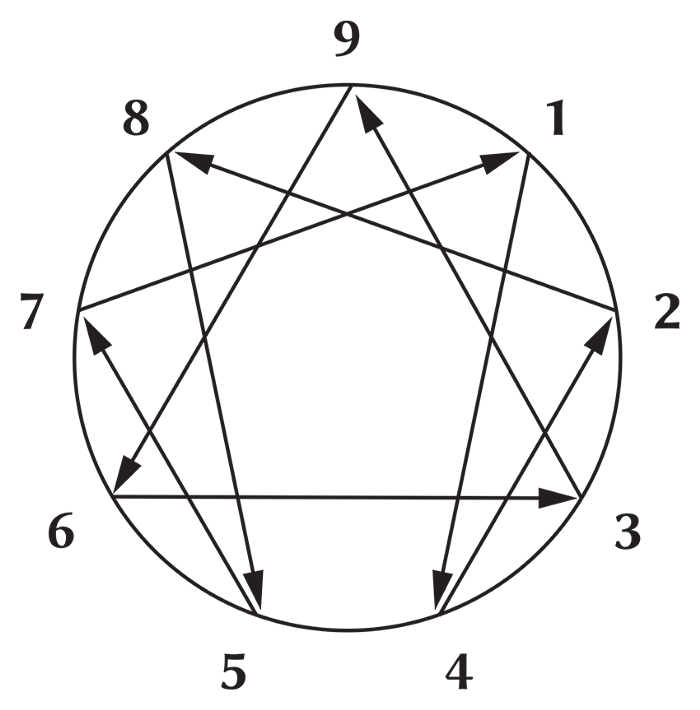
The Enneagram is a personality framework that explains why you think, feel, and behave the way you do. It identifies nine distinct points or personality types, each shaped by core motivations, fears, and patterns—especially under pressure. In our workshops, we help make it easier to identify the differences in each of the personality patterns.
Unlike many personality systems, the Enneagram focuses on the drivers behind behaviour, not just the behaviour itself. Through our teachings, we show how confusion can arise about type when we only focus on behaviour. This is because people can carry out similar actions but be driven by different motivations. The Enneagram speaks to our deepest motivations influencing how we show up in the world.
When you understand your patterns, you gain something most people are missing: clarity and choice.
How the Enneagram Works
The Enneagram maps nine ways people tend to interpret and respond to the world.
Each type has:
A core motivation (what drives you)
A core fear (what you try to avoid)
Predictable patterns in thinking, behaviour, and relationships
A dominant instinctual drive (what you most value)
It also shows how you shift in different states:
Under stress
In growth
Across different areas of life
This makes it a dynamic system, not a static label.
What makes the Enneagram different?
Most personality tools describe traits. The Enneagram explains:
Why you react the way you do
Why certain situations trigger you
Why patterns repeat in relationships and decisions
It’s not about categorising people.
It’s about recognising patterns so they don’t run automatically.


Why People Use the Enneagram
People use the Enneagram for self-awareness, clarity, and personal growth. It helps you:
Understand your decision-making patterns
Improve communication and relationships
See blind spots that are otherwise hard to detect
Respond more effectively under pressure
For many, it provides language for things they’ve sensed but couldn’t explain.
Beyond the 9 Descriptions
Learning the Enneagram points is only the starting point.
The system also includes:
Instincts (subtypes): self-preservation, social, and sexual
Growth and stress patterns: how your behaviour shifts over time
Levels of awareness: how your patterns show up at different stages
This is why the Enneagram remains useful long-term—it evolves with you and points you towards becoming the best version of yourself.
A Tool for Awareness — Not a Label
The value of the Enneagram isn’t in identifying with a number.
It’s in recognising your patterns as they happen:
“This is what I tend to do…”
That awareness is what creates the ability to respond differently.